
Spirulina vs. Dunaliella: What’s the Difference?

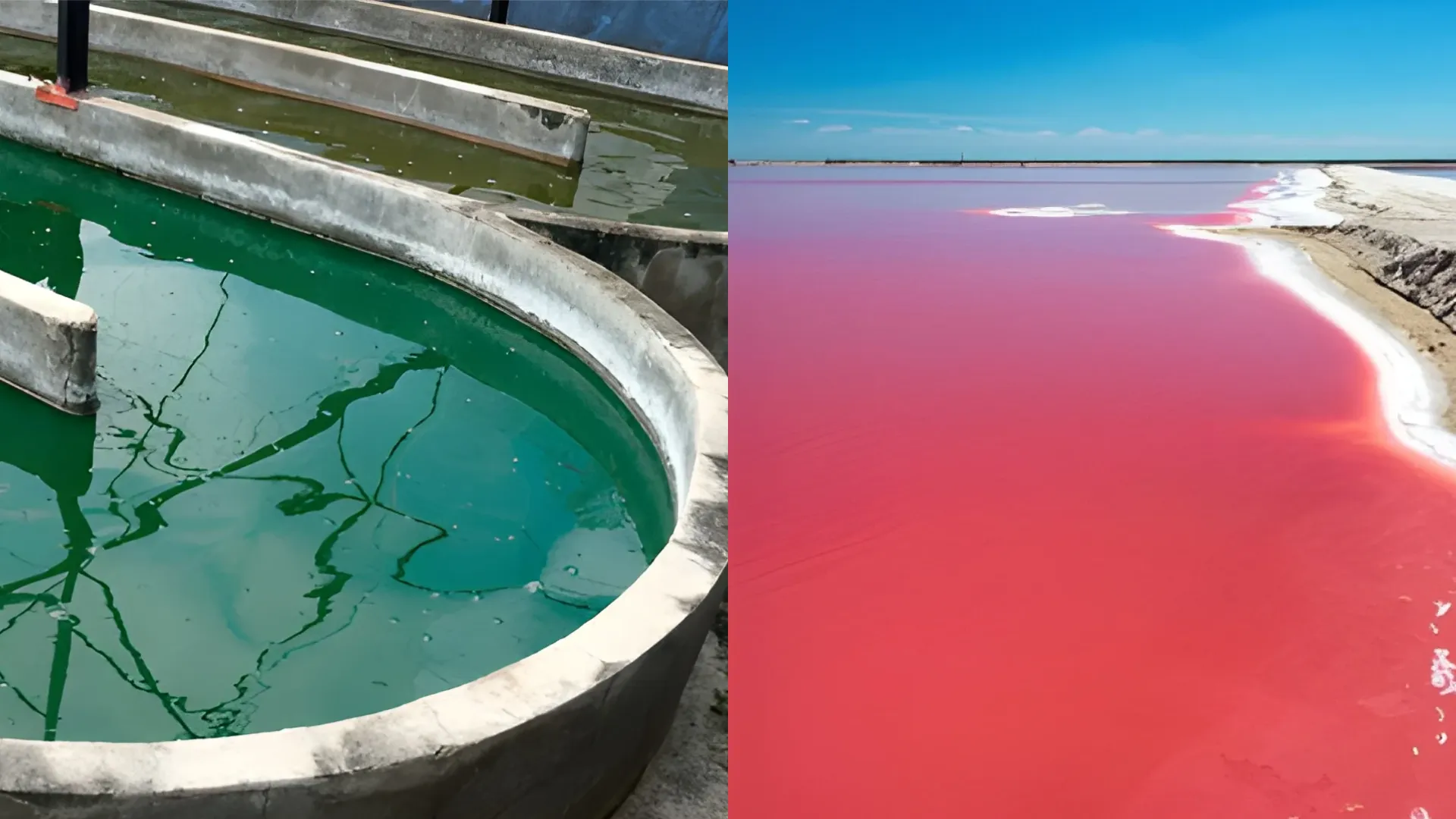
Spirulina and Dunaliella are two fascinating microalgae that have attracted growing interest in nutrition, biotechnology, and sustainable food production. Although both are microscopic organisms that can be cultivated in water, they are quite different in their biology, nutritional composition, pigments, and applications.
So, what is the difference between Spirulina and Dunaliella? Let’s take a closer look.
What Is Spirulina?
Spirulina is a type of cyanobacterium, commonly referred to as a blue-green microalgae. It has been consumed as a food for generations and is particularly known for its high protein content.
Spirulina naturally contains protein, minerals, vitamins, pigments, and other compounds. Its intense green-blue color comes largely from pigments such as phycocyanin and chlorophyll.
Today, spirulina is commonly available as a powder, flakes, tablets, or other food ingredients. It can be incorporated into smoothies, drinks, sauces, snacks, and other recipes.
What Is Dunaliella?
Dunaliella is a genus of green microalgae belonging to the group of unicellular green algae. One of the best-known species is Dunaliella salina, which is particularly adapted to environments with high salt concentrations.
Unlike spirulina, Dunaliella is especially known for its ability to accumulate carotenoids, including beta-carotene, under certain environmental conditions.
These pigments can give Dunaliella cultures an orange or reddish appearance when carotenoid production becomes particularly high.
Spirulina vs. Dunaliella: Key Differences
Although both are microalgae, they have several important differences.
| Feature | Spirulina | Dunaliella |
|---|---|---|
| Biological group | Cyanobacteria | Green microalgae |
| Common example | Arthrospira platensis | Dunaliella salina |
| Appearance | Blue-green/green | Green, sometimes orange-red |
| Main pigments | Phycocyanin, chlorophyll | Carotenoids, chlorophyll |
| Protein | Particularly rich in protein | Composition varies by species and conditions |
| Environment | Alkaline aquatic environments | Can tolerate very high salinity |
| Common applications | Food, nutrition, ingredients | Carotenoids, biotechnology, food and other applications |
Spirulina and Dunaliella Have Different Pigments
One of the most interesting differences between spirulina vs. Dunaliella is their pigments.
Spirulina is well known for phycocyanin, a blue pigment-protein complex that contributes to its characteristic blue-green color. It also contains chlorophyll and other natural pigments.
Dunaliella, particularly Dunaliella salina, is famous for its ability to produce and accumulate carotenoids, especially beta-carotene. These compounds are responsible for the orange-red coloration that can appear under specific cultivation conditions.
This makes the two microalgae interesting for different reasons when it comes to natural pigments and biotechnology.
What About Their Nutritional Profiles?
Spirulina is widely recognized as a protein-rich food ingredient. It also provides several micronutrients and naturally occurring pigments.
Dunaliella has a different nutritional profile that can vary depending on the species and growing conditions. Dunaliella salina has received particular attention because of its carotenoid content.
Therefore, comparing the two only by asking “Which one is better?” is not necessarily the best approach. They have different characteristics and can be valuable for different nutritional and industrial applications.
How Are They Cultivated?
Both organisms can be cultivated under controlled conditions, but they have different environmental preferences.
Spirulina generally grows well in alkaline water with controlled temperature, light, and nutrient conditions. During cultivation, producers monitor the culture to maintain suitable conditions for growth.
Dunaliella, especially Dunaliella salina, is notable for its ability to survive and grow in high-salinity environments. Changes in environmental conditions can also influence its production of carotenoids.
These differences make each organism interesting from a cultivation and biotechnology perspective.
Spirulina vs. Dunaliella: Which One Should You Choose?
The answer depends on what you are looking for.
If your main interest is a protein-rich microalgae food ingredient, spirulina is particularly well known for this role.
If you are interested in carotenoids and natural pigments, Dunaliella — especially Dunaliella salina — is particularly interesting.
Rather than viewing them as direct competitors, it is more useful to understand that spirulina and Dunaliella are two different microalgae with different characteristics and potential applications.
Why Microalgae Matter
Beyond spirulina and Dunaliella, microalgae represent an increasingly interesting area of research and food innovation.
They can be cultivated using controlled systems and have applications ranging from food ingredients and natural pigments to biotechnology and sustainable production.
As interest in alternative sources of nutrition and natural ingredients continues to grow, microalgae could become an increasingly important part of future food and ingredient systems.
Conclusion
Spirulina vs. Dunaliella is not simply a question of which microalgae is better. The two organisms are biologically different and have distinct nutritional characteristics, pigments, cultivation requirements, and applications.
Spirulina is particularly recognized for its protein content and phycocyanin, while Dunaliella is especially known for its carotenoids and ability to tolerate high-salinity environments.
Understanding these differences helps us appreciate the diversity and potential of microalgae — from nutrition and food ingredients to natural pigments and sustainable innovation.
References
1. Chemical Composition, Bioactivities, and Applications of Spirulina (Limnospira platensis) in Food, Feed, and Medicine — Foods, 2024.
A recent review covering spirulina’s nutritional composition, protein, pigments, vitamins, minerals, and applications.
Read the research article
2. Nutraceutical Features of the Phycobiliprotein C-Phycocyanin: Evidence from Arthrospira platensis (Spirulina) — review article.
Useful for information about spirulina, phycocyanin, pigments, and its nutritional characteristics.
Read the research article
3. Biosynthesis and regulation of carotenoids in Dunaliella: Progresses and prospects — Biotechnology Advances.
A key reference for Dunaliella’s carotenoid and β-carotene production and the environmental conditions that influence it.
Read the research article
4. Exploring and exploiting carotenoid accumulation in Dunaliella salina for cell-factory applications — Trends in Biotechnology.
Particularly useful for discussing Dunaliella salina, carotenoid accumulation, and its biotechnology applications.
Read the research article
5. Comprehensive Update on Carotenoid Colorants from Plants and Microalgae: Challenges and Advances from Research Laboratories to Industry — review article.
Useful for the section comparing natural pigments and β-carotene production from microalgae.
Read the research article