
How to Choose High-Quality Spirulina: A Complete Buying Guide

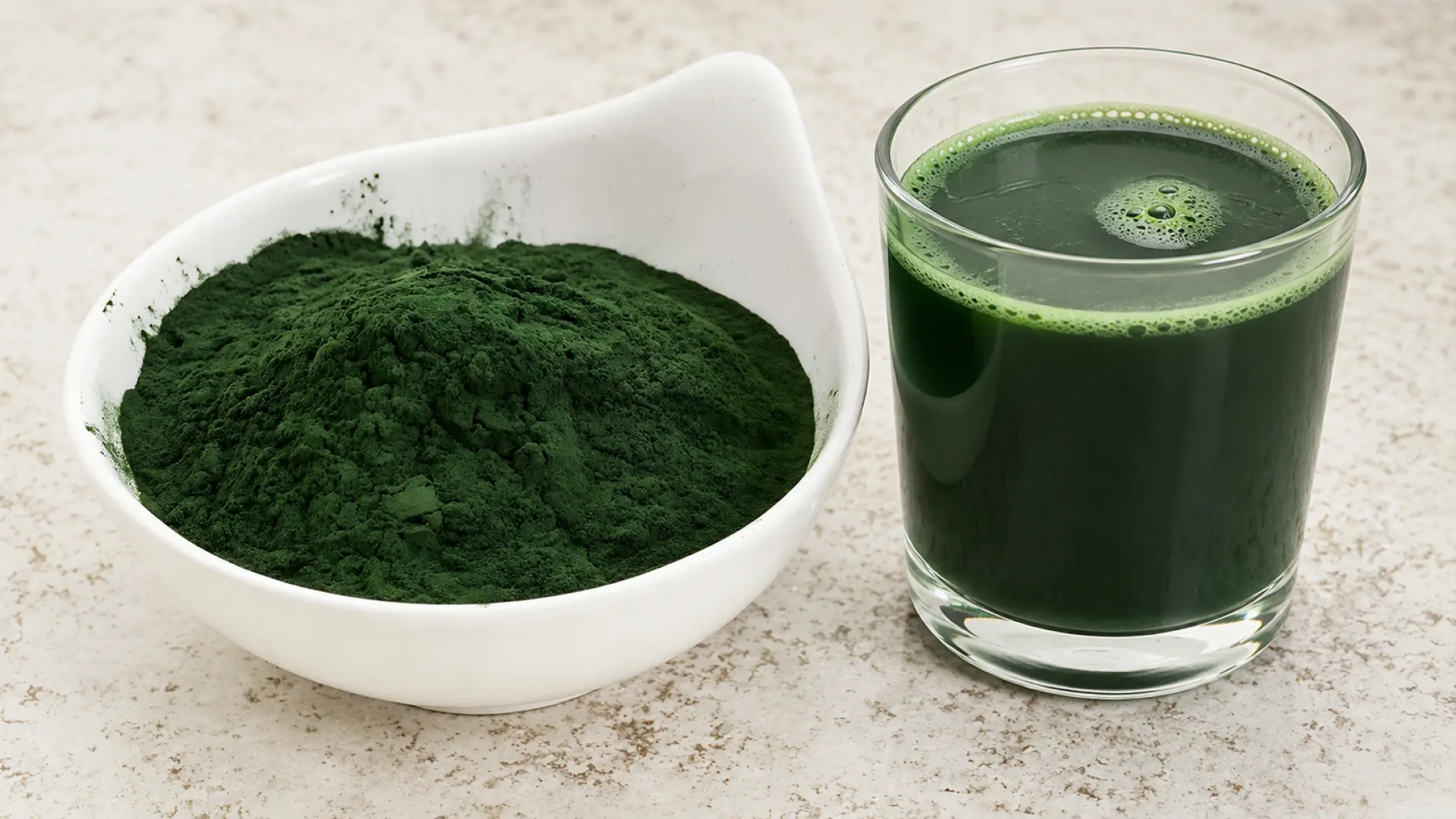
Spirulina has become increasingly popular among people interested in nutrition, wellness, and natural food ingredients. It is available in several forms, including powder, tablets, capsules, and sprinkles. However, not all spirulina products are produced under the same conditions or meet the same quality standards.
Choosing high-quality spirulina is about more than selecting the most attractive packaging or the lowest price. The product’s ingredients, origin, cultivation, testing, processing, and storage can all influence its quality.
This guide explains what to look for when choosing spirulina and how to make a more informed decision.
Why Does Spirulina Quality Matter?
Spirulina is a natural microorganism that can absorb substances from its growing environment. For this reason, responsible cultivation and quality control are important.
A high-quality product should be produced under carefully managed conditions and handled properly throughout cultivation, harvesting, drying, packaging, and storage.
Quality can influence:
- Product purity
- Nutritional consistency
- Safety
- Taste and aroma
- Freshness
- Overall consumer experience
A trustworthy brand should provide clear information about its product rather than relying only on broad marketing claims.
1. Check the Ingredients List
The ingredients list is one of the first things to examine.
If you are looking for pure spirulina, the label should clearly identify spirulina as the main or only ingredient. For example:
Ingredients: 100% Spirulina (Arthrospira platensis)
Avoid products with unnecessary fillers, artificial colors, or ingredients that are not clearly explained.
Some products may contain additional ingredients for flavor or specific formulations. This is not automatically a problem, but the label should clearly state what the product contains.
A transparent ingredients list helps you understand exactly what you are buying.
2. Know Where Your Spirulina Comes From
The origin of spirulina can provide useful information about how and where it was produced.
Look for products that clearly mention:
- The country of origin
- The cultivation location
- The producer or brand
- Information about the growing environment
A brand that openly shares its origin can help customers better understand the product’s journey from cultivation to packaging.
For example, Vita Spiruline is cultivated in Morocco, where environmental conditions support controlled spirulina production.
However, origin alone does not guarantee quality. It should be considered together with cultivation practices, testing, processing, and product transparency.
3. Look for Transparent Cultivation Practices
High-quality spirulina is generally cultivated in controlled conditions where important factors can be monitored.
These factors may include:
- Water quality
- Temperature
- Light exposure
- Nutrient balance
- Cleanliness
- Harvesting conditions
Controlled cultivation helps producers maintain consistent growing conditions and reduce unwanted variations.
When choosing a product, look for information about how the spirulina is cultivated. A trustworthy company should be willing to explain its production process in clear and understandable language.
4. Check for Quality Testing
Quality testing is an important part of responsible spirulina production.
Depending on local regulations and production standards, testing may include checks for:
- Heavy metals
- Microbiological contamination
- Unwanted substances
- Product purity
- Nutritional composition
A reliable brand may provide information about its quality-control process or make relevant documentation available when appropriate.
Be careful with products that make strong claims but provide no information about quality control, production standards, or testing.
5. Consider the Color, Smell, and Appearance
Spirulina naturally has a deep green to blue-green color because it contains natural pigments such as chlorophyll and phycocyanin.
However, color alone cannot confirm quality. The appearance of spirulina can vary depending on the species, cultivation conditions, drying process, and product form.
Spirulina also has a distinctive natural aroma. Some people describe it as earthy, marine, or similar to dried sea plants. A strong natural smell does not necessarily mean that the product is low quality.
Instead of judging spirulina only by its color or smell, consider these characteristics together with the ingredients, origin, testing, and transparency of the brand.
6. Choose Packaging That Protects the Product
Proper packaging helps protect spirulina from environmental factors that may affect its freshness.
Look for packaging that helps reduce exposure to:
- Moisture
- Excessive heat
- Direct light
- Air
The package should be clean, properly sealed, and clearly labeled.
It is also helpful when the label includes:
- A production or batch number
- An expiration or best-before date
- Storage instructions
- Serving information
- The product’s net weight
After opening, follow the storage instructions provided by the manufacturer. In general, spirulina should be kept in a cool, dry place and protected from direct sunlight.
7. Review the Product Information Carefully
A quality product should provide clear and useful information.
Before buying, check whether the label or website explains:
- What the product contains
- Where it is cultivated
- How to use it
- How much to use
- How to store it
- Who produces it
- How to contact the company
Clear information can help you compare products and make a more informed choice.
If important details are missing, consider contacting the company before purchasing.
8. Avoid Products with Misleading Claims
Be cautious when a product promises unrealistic or guaranteed results.
Spirulina can be a nutritious addition to a balanced diet, but it is not a replacement for healthy eating, medical care, or professional advice.
Statements such as “instant results,” “miracle cure,” or “guaranteed treatment” should be approached carefully.
A responsible brand should communicate clearly about its product without exaggerating its effects.
9. Compare Quality, Not Only Price
Price can be useful when comparing products, but it should not be the only factor.
A very low price may not provide enough information about:
- Product origin
- Cultivation conditions
- Quality control
- Testing
- Processing
- Packaging
Instead of choosing only the cheapest option, compare the value offered by each product.
Consider the quality information, product size, serving amount, transparency, and reputation of the producer.
10. Choose a Brand You Can Trust
A trustworthy spirulina brand should make it easy to find information about its products and practices.
Look for brands that provide:
- Clear ingredient information
- Transparent product origin
- Responsible quality-control practices
- Accurate nutritional information
- Clear instructions for use and storage
- Accessible customer support
Trust is built through transparency and consistency, not only through attractive branding.
How Vita Spiruline Focuses on Quality
At Vita Spiruline, we believe that quality begins with transparency.
Our spirulina is cultivated in Morocco and offered in convenient formats, including powder and sprinkles. We focus on providing clear product information and making spirulina easy to include in everyday meals and routines.
From cultivation to packaging, our goal is to offer a premium Moroccan spirulina product that reflects our commitment to quality, purity, and responsible production.
Final Checklist: How to Choose High-Quality Spirulina
Before purchasing spirulina, ask yourself:
- Is spirulina clearly listed as the main ingredient?
- Is the origin of the product provided?
- Does the brand explain how the spirulina is cultivated?
- Is information about quality control or testing available?
- Is the packaging properly sealed and clearly labeled?
- Are the storage and usage instructions easy to understand?
- Does the brand avoid unrealistic health claims?
- Can you easily contact the company?
If the answer is yes to most of these questions, you are more likely to be choosing a transparent and carefully produced product.
Discover Vita Spiruline
Choosing high-quality spirulina starts with understanding what is behind the product.
Explore Vita Spiruline and discover premium Moroccan spirulina available in powder and sprinkle formats, designed to fit easily into your everyday routine.
References
- Food and Agriculture Organization of the United Nations (FAO).A Review on Culture, Production and Use of Spirulina as Food.
Read the FAO report - Marles, R. J., et al. (2011).United States Pharmacopeia Safety Evaluation of Spirulina.
Published in Critical Reviews in Food Science and Nutrition.
View the scientific publication on PubMed - Al-Dhabi, N. A. (2013).Heavy Metal Analysis in Commercial Spirulina Products for Human Consumption.
Published in Saudi Journal of Biological Sciences.
Read the full scientific article - Soni, R. A., Sudhakar, K., & Rana, R. S. (2017).Spirulina – From Growth to Nutritional Product: A Review.
Published in Trends in Food Science & Technology.
View the publication record - Podgórska-Kryszczuk, I., et al. (2024). Spirulina—An Invaluable Source of Macro- and Micronutrients.
Published in Nutrients.
Read the scientific review