
Spirulina vs Matcha: Which Superfood Is Better?
Superfoods have become an essential part of many healthy lifestyles, and spirulina and matcha are among the most popular choices

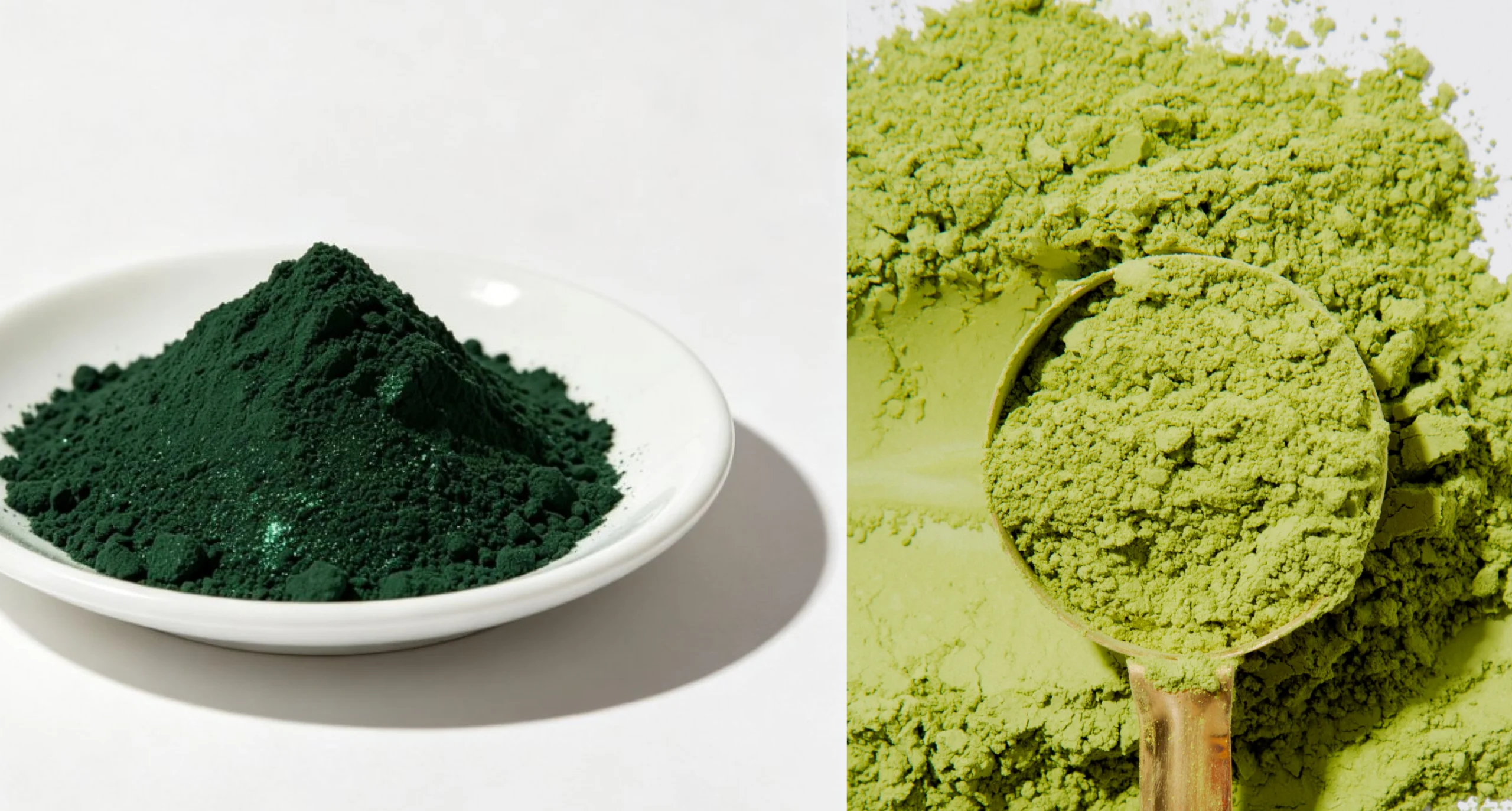
Superfoods have become an essential part of many healthy lifestyles, and spirulina and matcha are among the most popular choices. While both are packed with beneficial nutrients, they are completely different in origin, nutritional profile, and health benefits. Understanding these differences can help you choose the one that best supports your wellness goals.
What Is Spirulina?
Spirulina (Arthrospira platensis) is a nutrient-rich blue-green microalga that has been consumed for centuries. It is naturally high in protein, essential amino acids, iron, vitamins, minerals, and antioxidants, especially phycocyanin, the blue pigment that gives spirulina its unique color.
Because of its impressive nutritional value, spirulina is often considered one of the world’s most nutrient-dense superfoods.
What Is Matcha?
Matcha is a finely ground powder made from specially cultivated green tea leaves (Camellia sinensis). Unlike regular green tea, where the leaves are steeped and discarded, matcha allows you to consume the whole leaf, providing a concentrated source of antioxidants, particularly catechins such as EGCG (epigallocatechin gallate).
Matcha also naturally contains caffeine and L-theanine, making it a popular beverage for promoting alertness and focus.
Spirulina vs Matcha: Nutritional Comparison
| Feature | Spirulina | Matcha |
|---|---|---|
| Origin | Blue-green microalga | Green tea leaves |
| Protein | Very High (55–70% dry weight) | Very Low |
| Caffeine | None | Yes |
| Main Antioxidant | Phycocyanin | EGCG (Catechins) |
| Iron | Rich Source | Small Amounts |
| Best For | Daily nutrition & protein | Energy & mental focus |
Which Is Better for Energy?
The answer depends on the type of energy you’re looking for.
Matcha provides natural caffeine combined with L-theanine, offering sustained alertness without the sharp energy spikes often associated with coffee.
Spirulina contains no caffeine. Instead, it supplies nutrients like protein and iron, which contribute to normal energy-yielding metabolism as part of a balanced diet.
Which Is Better for Nutrition?
If your goal is overall nutrition, spirulina has the advantage.
It naturally contains:
- Complete plant-based protein
- All nine essential amino acids
- Iron
- B vitamins
- Essential minerals
- Phycocyanin
- Antioxidants
Matcha is an excellent source of plant antioxidants but is not a significant source of protein or minerals.
Which Is Better for Athletes?
Many athletes choose spirulina because of its high-quality protein and nutrient density, which can help meet daily nutritional needs.
Matcha is often enjoyed before workouts thanks to its natural caffeine content, which may support focus and alertness during exercise.
Many active individuals include both in their routine for complementary benefits.
Can You Consume Spirulina and Matcha Together?
Yes. Spirulina and matcha can complement each other well.
A smoothie combining Vita Spiruline, matcha, banana, spinach, and almond milk is a delicious way to enjoy the nutritional benefits of both superfoods.
Always follow the recommended serving sizes for each product.
Why Choose Vita Spiruline?
Vita Spiruline is cultivated in Dakhla, Morocco, a region known for its abundant sunshine and favorable climate. Produced under carefully controlled conditions, it is available in powder and sprinkles formats, making it easy to add to smoothies, juices, yogurt, soups, and healthy recipes.
If you’re looking for a premium Moroccan spirulina that combines quality, purity, and convenience, Vita Spiruline is an excellent choice.
Conclusion
Both spirulina and matcha deserve a place in a healthy lifestyle, but they serve different purposes. Matcha is ideal for those seeking a natural source of caffeine and antioxidants, while spirulina stands out for its exceptional nutritional profile, including complete protein, iron, and phycocyanin.
Rather than choosing one over the other, many people enjoy both to benefit from their complementary nutritional qualities. With Vita Spiruline, you can easily incorporate premium Moroccan spirulina into your daily routine.
References
Habib, M. A. B., Parvin, M., Huntington, T. C., & Hasan, M. R. (2008). A Review on Culture, Production and Use of Spirulina as Food for Humans and Feeds for Domestic Animals and Fish. Food and Agriculture Organization (FAO). https://www.fao.org/3/i0424e/i0424e.pdf
Wu, Q., Liu, L., Miron, A., Klímová, B., Wan, D., & Kuča, K. (2016). The antioxidant, immunomodulatory, and anti-inflammatory activities of Spirulina: An overview. Oxidative Medicine and Cellular Longevity, 2016, Article ID 3247528. https://doi.org/10.1155/2016/3247528
Dietz, C., & Dekker, M. (2017). Effect of Green Tea Phytochemicals on Mood and Cognition. Current Pharmaceutical Design, 23(19), 2876–2905. https://doi.org/10.2174/1381612823666170105151800
Hu, J., Webster, D., Cao, J., & Shao, A. (2018). The safety of green tea and green tea extract consumption in adults: Results of a systematic review. Regulatory Toxicology and Pharmacology, 95, 412–433. https://doi.org/10.1016/j.yrtph.2018.03.019
Belay, A. (2002). The Potential Application of Spirulina (Arthrospira) as a Nutritional and Therapeutic Supplement in Health Management. Journal of the American Nutraceutical Association, 5(2), 27–48.