
Common Myths About Spirulina: Separating Fact from Fiction

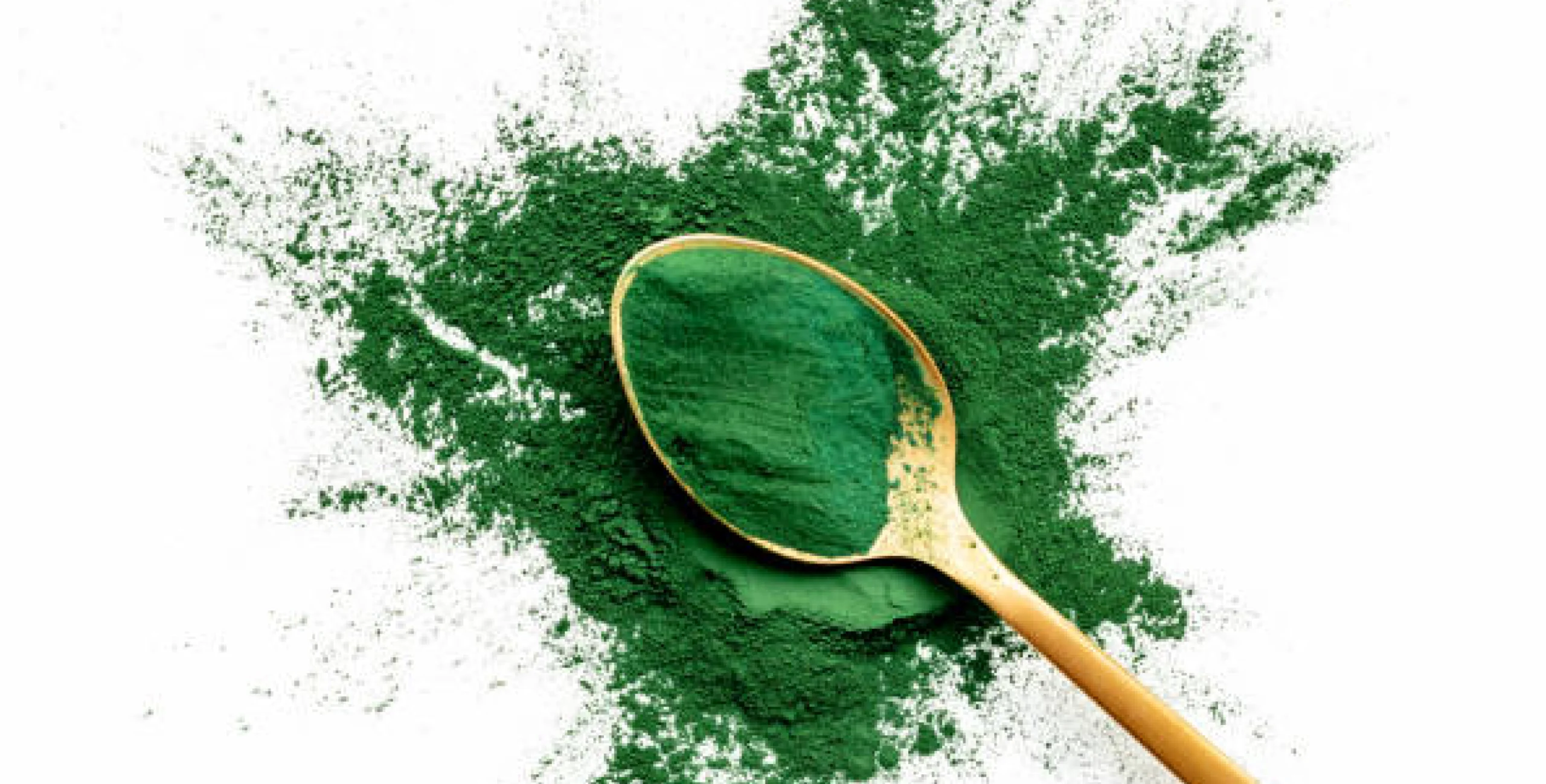
Spirulina has become one of the world’s most popular superfoods, but with its growing popularity comes a variety of misconceptions. Some people believe it’s a miracle food, while others question its safety or nutritional value. Understanding the facts can help you make informed decisions and confidently include spirulina in a balanced lifestyle.
Let’s explore some of the most common myths about spirulina.
Myth 1: Spirulina Is Just Another Seaweed
Fact: Spirulina is not seaweed. It is a blue-green microalga (cyanobacterium) scientifically known as Arthrospira platensis. Unlike marine seaweeds such as kelp or nori, spirulina is typically cultivated in controlled freshwater environments.
Myth 2: Spirulina Is Only for Athletes
Fact: While many athletes use spirulina because of its high protein content, it is suitable for a wide range of people. Vegetarians, vegans, busy professionals, older adults, and anyone looking to enrich their diet with nutrient-dense foods can enjoy spirulina as part of a healthy lifestyle.
Myth 3: Spirulina Can Replace a Healthy Diet
Fact: Spirulina is a dietary supplement, not a meal replacement. Although it is naturally rich in protein, vitamins, minerals, and antioxidants, it should complement—not replace—a varied and balanced diet.
Myth 4: All Spirulina Is the Same
Fact: The quality of spirulina depends on how and where it is cultivated. Factors such as water quality, cultivation methods, harvesting techniques, and quality control all influence the purity and nutritional consistency of the final product.
Choosing spirulina from a trusted producer is essential.
Myth 5: Spirulina Contains Too Much Protein to Be Plant-Based
Fact: Spirulina is naturally one of the richest plant-based sources of protein. Depending on cultivation and processing methods, dried spirulina typically contains 55–70% protein by weight, making it an excellent source of complete plant protein.
Myth 6: Spirulina Is Difficult to Use
Fact: Spirulina is surprisingly versatile. It can easily be added to:
- Smoothies
- Juices
- Yogurt
- Salads
- Soups
- Energy balls
- Healthy baking recipes
Available in powder and sprinkles, it fits easily into everyday meal
Myth 7: Spirulina Works Like a Medicine
Fact: Spirulina is a nutrient-rich food supplement, not a medicine. While research suggests spirulina contains beneficial nutrients and antioxidant compounds, it is not intended to diagnose, treat, cure, or prevent any disease. Maintaining a balanced diet, regular physical activity, and a healthy lifestyle remain the foundation of good health.
Conclusion
Spirulina is one of the most nutrient-dense natural foods available today, but it’s important to separate facts from marketing myths. Understanding what spirulina is—and what it isn’t—helps you make informed choices. By choosing a trusted product like Vita Spiruline, you can enjoy premium Moroccan spirulina with confidence.