
Why Moroccan Spirulina Is Gaining Global Recognition
Dakhla is known for its clean environment, long hours of sunshine, and favorable climate. These natural advantages make it an excellent location for cultivating spirulina under controlled conditions.

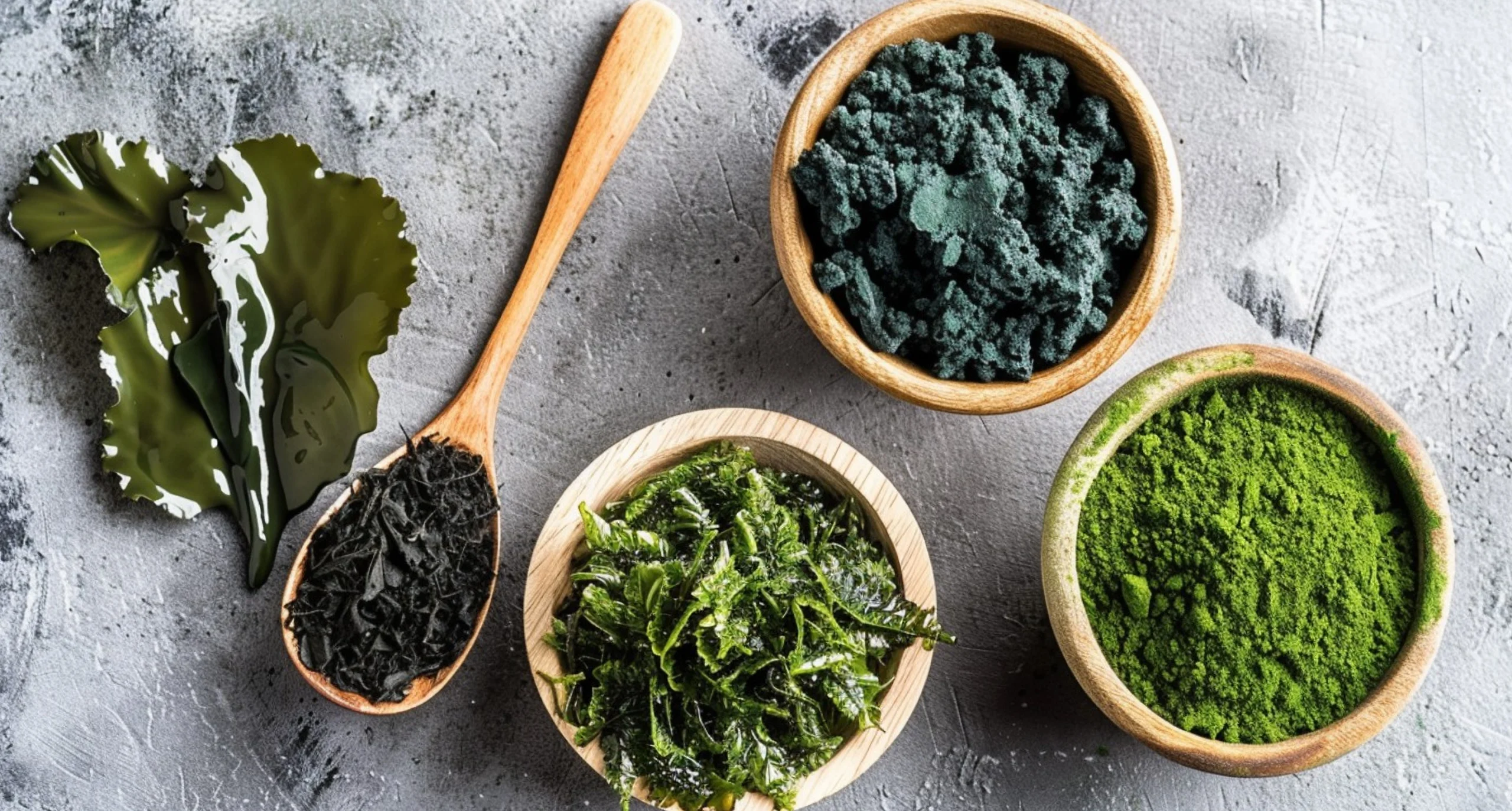
Why Moroccan Spirulina Is Gaining Global Recognition
attention from consumers, nutrition professionals, and wellness brands around the world. Thanks to Morocco’s favorable climate, modern cultivation practices, and commitment to quality, the country is becoming a trusted source of premium spirulina. Among its most promising production regions is Dakhla, where natural conditions support the cultivation of high-quality microalgae.
Morocco’s Climate Is Ideal for Spirulina Cultivation
Spirulina thrives in warm, sunny environments with carefully controlled growing conditions. Morocco offers abundant sunshine, stable temperatures, and an environment that supports year-round cultivation in managed freshwater systems.
These favorable conditions allow producers to maintain consistent quality while carefully monitoring water quality, harvesting, and drying methods to preserve spirulina’s nutritional value.
Dakhla: A Unique Environment for Premium Spirulina
Located on Morocco’s Atlantic coast, Dakhla is known for its clean environment, long hours of sunshine, and favorable climate. These natural advantages make it an excellent location for cultivating spirulina under controlled conditions.
Combined with responsible production techniques, Dakhla provides an environment where spirulina can be grown with a focus on purity, consistency, and quality.
Quality Matters More Than Origin Alone
While climate is important, the quality of spirulina also depends on how it is produced. Reputable producers prioritize:
- Carefully monitored cultivation systems
- High water quality standards
- Gentle harvesting and low-temperature drying
- Regular quality testing
- Sustainable production practices
These steps help preserve the naturally occurring nutrients found in spirulina while ensuring a safe and consistent product.
A Naturally Nutrient-Dense Superfood
Moroccan spirulina is appreciated for its naturally rich nutritional profile. It provides:
- High-quality plant-based protein
- All nine essential amino acids
- Naturally occurring iron
- Vitamins and essential minerals
- Phycocyanin, a blue antioxidant pigment
- Other beneficial antioxidant compounds
These nutrients make spirulina an excellent complement to a healthy and balanced die
Sustainability Is Driving Global Interest
Consumers are increasingly looking for foods that are both nutritious and environmentally responsible. Compared with many traditional protein sources, spirulina cultivation generally requires less land and water while producing a nutrient-dense food.
As sustainable food production becomes more important worldwide, responsibly cultivated spirulina is gaining recognition as part of the future of nutrition.
Discover Vita Spiruline
Vita Spiruline is proudly cultivated in Dakhla, Morocco, where abundant sunshine and carefully controlled growing conditions help produce premium-quality spirulina. Available in convenient powder and sprinkles formats, Vita Spiruline is designed to make it easy to incorporate spirulina into smoothies, juices, yogurt, salads, soups, and many everyday recipes.
By combining Morocco’s exceptional natural environment with careful cultivation and quality control, Vita Spiruline delivers a premium spirulina that fits seamlessly into a healthy lifestyle.
Conclusion
Moroccan spirulina is gaining global recognition because it combines favorable natural conditions with modern cultivation techniques and a strong commitment to quality. Regions such as Dakhla provide an ideal environment for producing premium spirulina that meets the expectations of today’s health-conscious consumers. Whether you’re discovering spirulina for the first time or looking for a trusted source, Vita Spiruline represents the quality and potential of Moroccan spirulina.
- Habib, M. A. B., Parvin, M., Huntington, T. C., & Hasan, M. R. (2008). A Review on Culture, Production and Use of Spirulina as Food for Humans and Feeds for Domestic Animals and Fish. Food and Agriculture Organization (FAO).
- Wu, Q., Liu, L., Miron, A., Klímová, B., Wan, D., & Kuča, K. (2016). The antioxidant, immunomodulatory, and anti-inflammatory activities of Spirulina: An overview. Oxidative Medicine and Cellular Longevity.
- Food and Agriculture Organization. The State of World Fisheries and Aquaculture (microalgae and sustainable food systems).
- National Institutes of Health. Office of Dietary Supplements. Nutrition resources.
- European Food Safety Authority. Scientific opinions on nutrition and food safety.
- Belay, A. (2002). The Potential Application of Spirulina (Arthrospira) as a Nutritional and Therapeutic Supplement in Health Management. Journal of the American Nutraceutical Association.