
Spirulina vs Chlorella: Which Is Better?
Spirulina and chlorella are two of the most popular microalgae used as dietary supplements. Both are rich in nutrients and have earned a reputation...

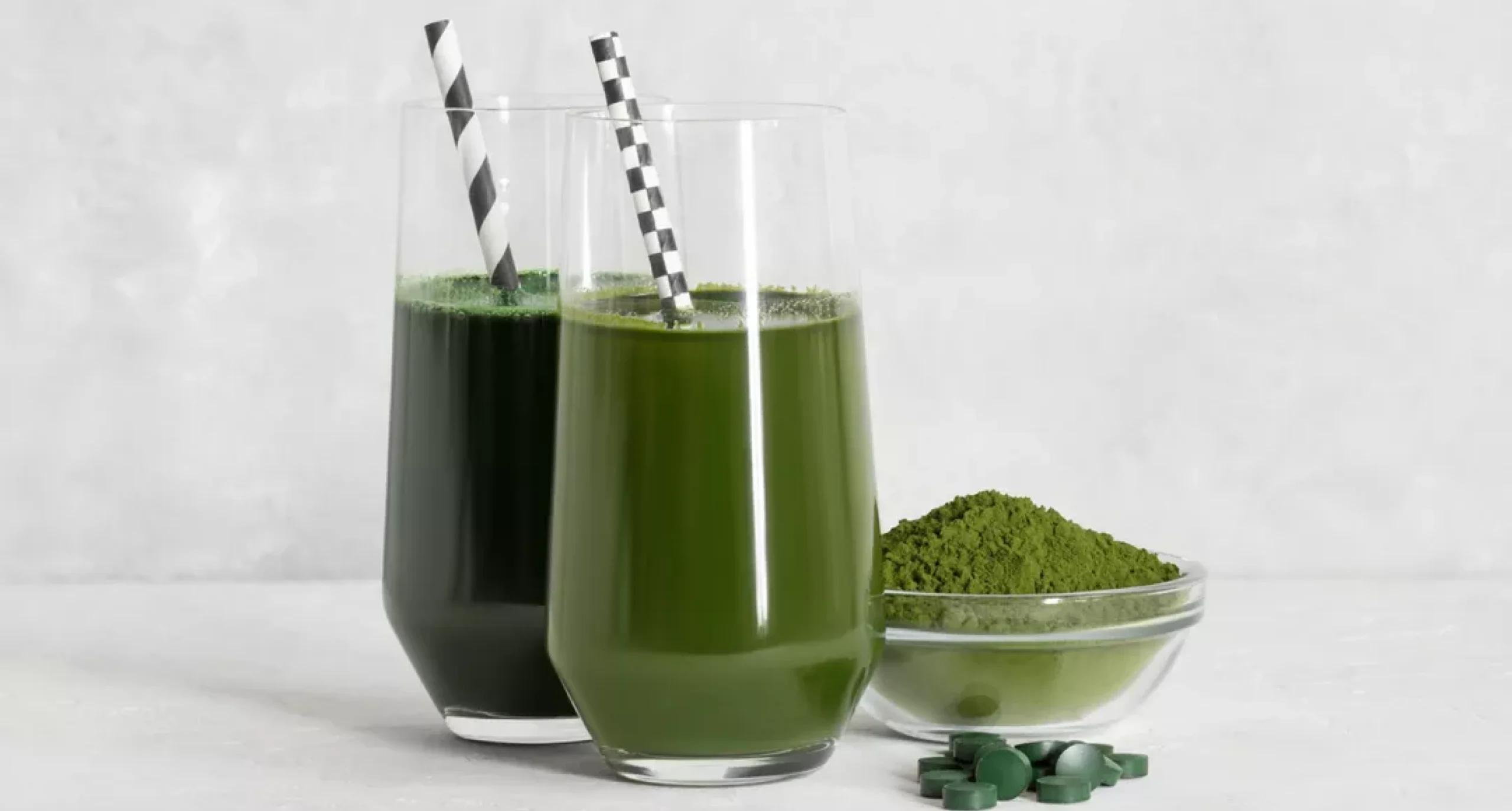
Spirulina and chlorella are two of the most popular microalgae used as dietary supplements. Both are rich in nutrients and have earned a reputation as superfoods, but they are not the same. Understanding their differences can help you choose the option that best suits your nutritional goals.
What Is Spirulina?
Spirulina is a blue-green microalga scientifically known as Arthrospira platensis. It is naturally rich in plant-based protein, iron, vitamins, minerals, and antioxidant compounds such as phycocyanin. Thanks to its impressive nutritional profile, spirulina is widely used by athletes, vegetarians, vegans, and health-conscious individuals looking to complement a balanced diet.
What Is Chlorella?
Chlorella is a single-celled green freshwater alga. Unlike spirulina, it contains chlorophyll in high amounts, giving it its deep green color. Chlorella is also a source of vitamins, minerals, fiber, and protein, making it another popular nutritional supplement.
Key Differences Between Spirulina and Chlorella
Although both belong to the microalgae family, they differ in several important ways.
| Feature | Spirulina | Chlorella |
|---|---|---|
| Color | Blue-green | Dark green |
| Type | Cyanobacterium (blue-green microalga) | Green freshwater alga |
| Protein Content | Very high | High |
| Key Pigment | Phycocyanin | Chlorophyll |
| Cell Wall | Easily digestible | Tough cell wall that is often broken during processing |
Which One Has More Protein?
Spirulina is generally recognized for its exceptionally high protein content, making it one of the richest natural plant-based protein sources available. It also contains all essential amino acids, making it a valuable addition to vegetarian and vegan diets.
Which Is Richer in Antioxidants?
Both spirulina and chlorella contain antioxidants, but they provide different compounds. Spirulina is known for phycocyanin, while chlorella is especially rich in chlorophyll. Including antioxidant-rich foods in a balanced diet helps support overall wellness.
Which Is Better for Daily Nutrition?
There is no single “better” option for everyone. Your choice depends on your nutritional preferences and lifestyle.
Spirulina may be ideal if you’re looking for:
- High-quality plant-based protein
- A natural source of iron
- Phycocyanin and other antioxidant compounds
- A versatile ingredient for smoothies, yogurt, juices, and recipes
Chlorella may appeal to people seeking a supplement naturally high in chlorophyll.
Why Choose Vita Spiruline?
If spirulina matches your nutritional goals, Vita Spiruline offers premium spirulina cultivated in the unique environment of Dakhla, Morocco. Produced under carefully controlled conditions and available in powder and sprinkles formats, Vita Spiruline makes it easy to enjoy high-quality spirulina every day.
Conclusion
Spirulina and chlorella are both nutrient-rich microalgae that can complement a healthy lifestyle. Spirulina stands out for its naturally high protein content, iron, and phycocyanin, while chlorella is recognized for its chlorophyll content. Choosing a high-quality product is just as important as choosing the right microalga. With Vita Spiruline, you can enjoy premium Moroccan spirulina as part of your daily nutrition.